Flexibility and freedom for users
The fundamental change in the system is the transition to a modern, microservice architecture. AIS no longer consists of one large unit, as was the case with large systems, but of separate modules. Each group of system functions runs independently, which makes it flexible with higher performance and easier updates. “Thanks to microservices, we can increase performance during peak times, dampen less busy areas, and continuously update parts of the system without downtime. The so-called “containers,” i.e. separate modules, increase security, portability, and reliability,” continues Tomáš Mišovič.
A new level of security and user management
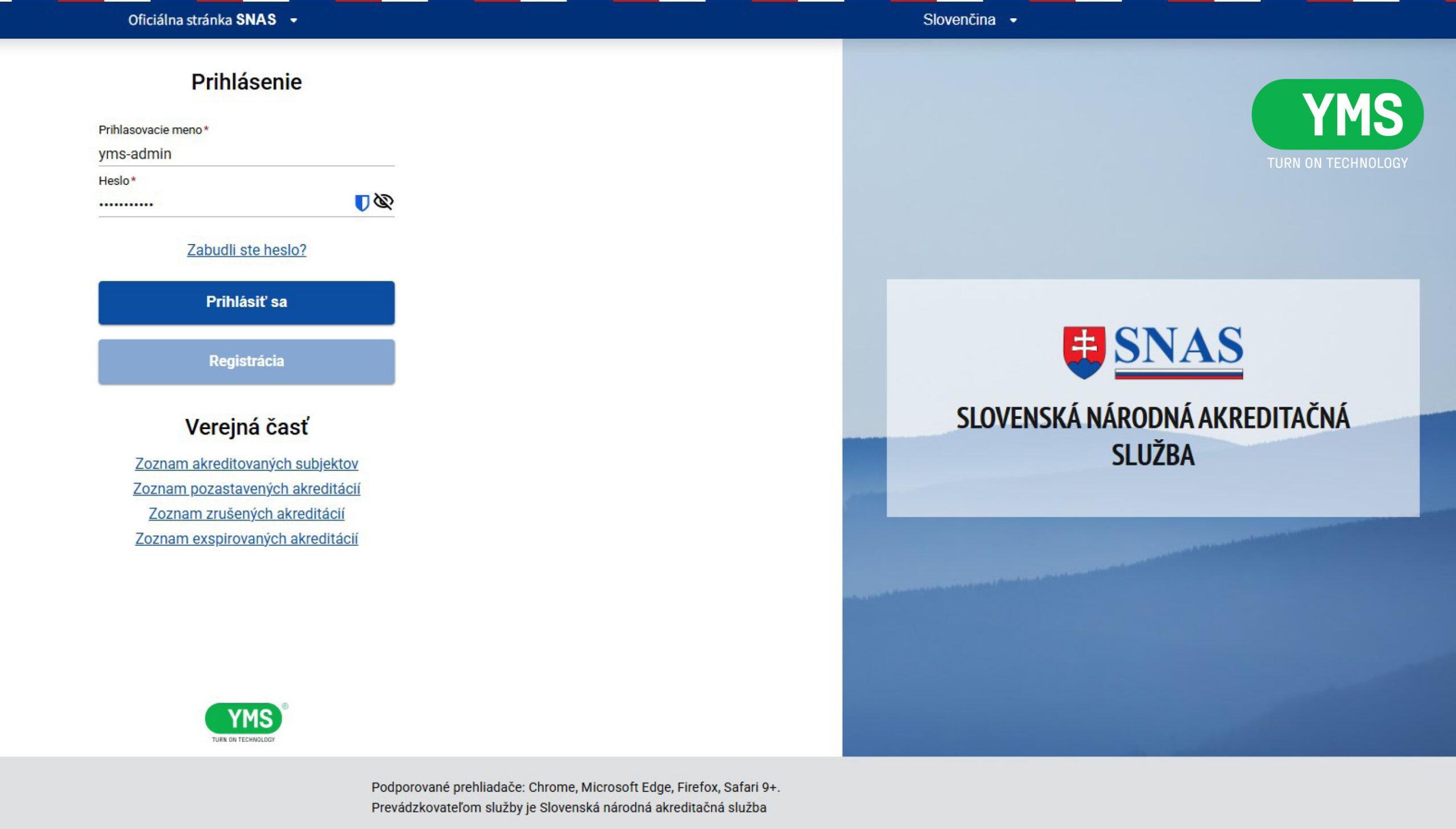
The highest possible security is becoming a necessity in the era of growing Internet threats. Like other YMS systems, AIS was enhanced with multi-factor authentication and connection to Active Directory and automatic management of user roles. “We create a role for the user and the system loads it itself, sends notifications and logs in without further intervention,” explains Tomáš Mišovič. While in the past, managing users and their roles was a matter for the system supplier and manual settings, today everything can be handled by the client.
Administration without dependence on the supplier
Great emphasis was placed on SNAS’s independence in system modifications. “The client can make routine modifications such as translating texts, creating their own Word templates, and managing code lists and workflows in the administration itself. Where they previously needed an administrator, today they make decisions about the system independently,” continues Tomáš Mišovič.
Audit, notifications and modern grids
The new AIS also offers functions that increase the efficiency of everyday work. “All changes in the system are audited, which was not the case before, so it is recorded who changed what, when and to what value, which makes work even more efficient and transparent. Each user has their own “dashboard”, a screen with their own list of tasks and the status of the processes being processed, they receive notifications in various forms such as e-mail, SMS or push notifications. Each user can adjust modern tables to their liking, filter, group, export data or create pivot tables and graphs,” concludes Tomáš Mišovič.
A system ready for the next decade
AIS is today at the level of the most modern information systems. Not only in technology, but especially in philosophy – it offers autonomy, security, overview and simplicity. And all this in an environment that SNAS, as a client, can dynamically adapt to changing conditions and needs.